

Delving into Saltwater vs Traditional Pools: Discover Similarities and Differences
Saltwater pools and traditional pools: similarities and differences. Should the type of pool help determine your vacation destination or the type of lodging you choose? Are there important differences between saltwater and traditional pools that are worth discovering to make an informed decision? This isn’t just about the water in the pool; it’s about two completely different systems for keeping that water clean, inviting, and safe. Check out the information about the heated seasonal swimming pool at Tall Pines Inn.  What is often referred to as a chlorine pool is a typical traditional pool that uses chlorine to sanitize. An important distinction is whether the pool uses salt or chlorine; both are used for disinfection. With chlorine, it’s just a matter of the equipment that delivers the chlorine to the water. Whether you opt for a chlorine pool or a salt pool, the similarity important to understand that both pools are sanitized by chlorine. The difference is the maintenance routines to keep the water satisfactory, the staff's diligence, and possibly skin comfort. Read More
How Each System Cleans Pool Water
Before diving into the differences, it is important to understand how each system actually works to sanitize the pool - chlorine? Yes, chlorine!
Traditional Chlorine Pools
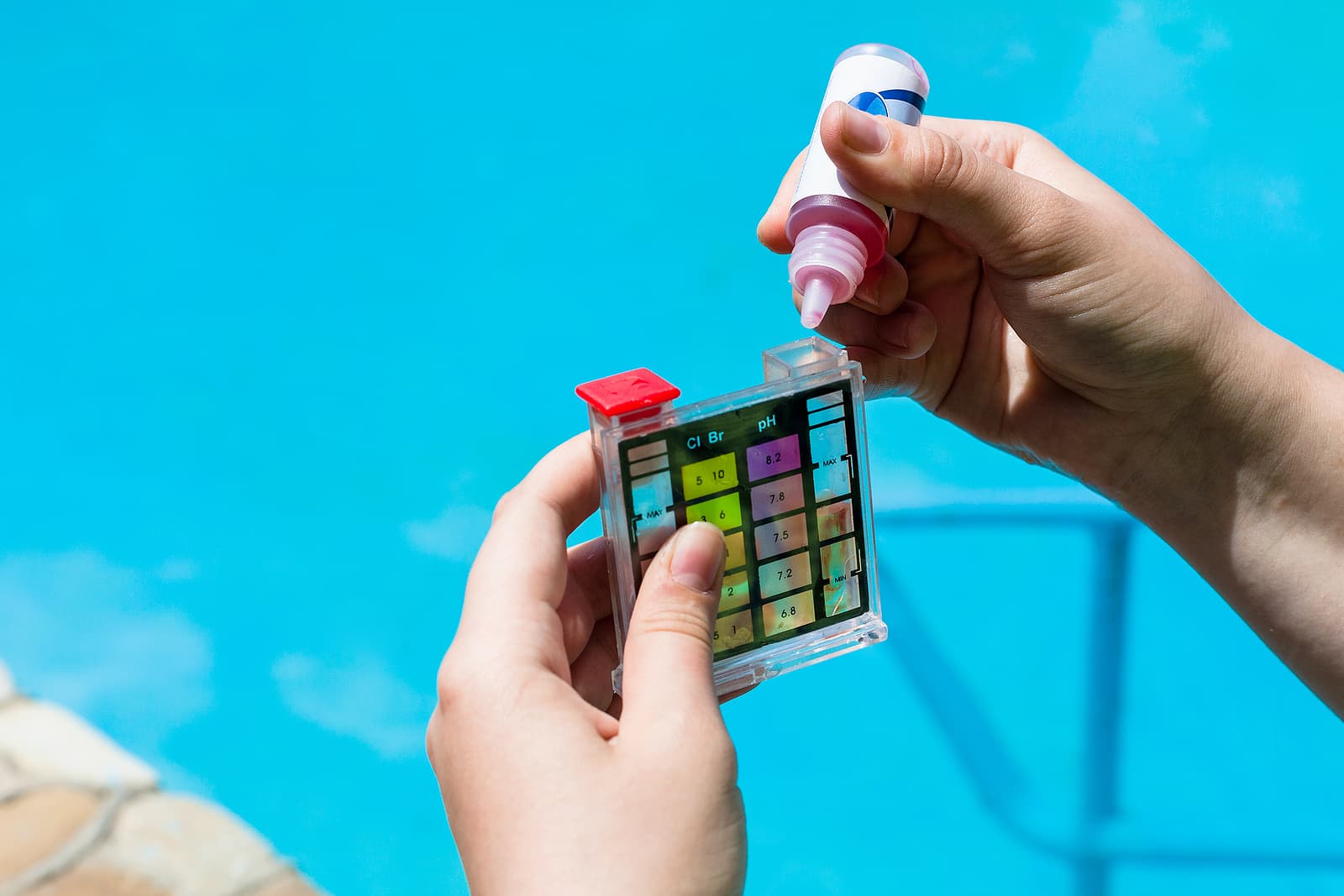
This is the system most people are familiar with. In a traditional chlorine pool, the pool owner adds chlorine directly to the water. This chlorine comes in various forms: tablets, liquid, or granules. Once added, it begins to attack and eliminate bacteria, algae, and other contaminants. Basically, if a chlorine pool is properly maintained for chlorine, pH, and alkalinity, adverse effects and chemical odors on your body should be minimal. Chlorine is consumed during use, so the pool operator must test the water regularly and add chlorine to maintain the proper sanitizer level. These pools use both equipment and manual methods to keep the pool water balanced and comfortable on the skin.
Saltwater Pools
A saltwater pool is often mistaken for a chlorine-free pool. Rather, it uses a device called a salt chlorine generator to produce its own chlorine from the salt, sodium chloride. A special pool salt (different from table salt) is added to the water. This saltwater then passes through a specialized generator that uses electrolysis to convert the salt into chlorine. A consistent, low level of chlorine sanitizes the water. As the chlorine does its job, it eventually reverts to salt, and the cycle repeats. This does not mean additional chlorine will never be required; the pool operator will monitor water quality to ensure it remains comfortable and properly sanitized. Read More 
Breaking Down the Key Differences
Now that we know how these pools work, let us look at the practical differences you will experience as a swimmer or owner.
Maintenance and Daily Care
Chlorine Pool
Requires more hands-on chemical management. You will need to test the water pH, alkalinity, and chlorine levels frequently (often daily or every other day) and add chlorine and other balancing chemicals as needed to keep the water healthy and comfortable. Chemicals often come in simple products such as Baking Soda or Borax.
Saltwater Pool
Offers more automated, consistent sanitation. The generator produces chlorine as long as the pump is running, leading to more stable levels. Your main tasks are testing of the water to ensure the generator is working properly and occasionally balancing the pH, which saltwater systems tend to raise. You will still need to shock the pool (add chlorine) occasionally, but the day-to-day work is reduced.
Upfront and Long-Term Costs: These are major factors for operators.
Chlorine Pool
The traditional pool has a lower initial cost. The equipment is standard, consisting mainly of the pump and filter. However, the long-term, recurring cost of buying chlorine tablets, liquid chlorine, and other chemicals can add up.
Saltwater Pool
Requires a higher initial investment because you must purchase the salt chlorine generator, which can be expensive. It is important to have a qualified electrician handle the generator's electrical equipment to ensure it is safe for use. However, after the upfront cost, the ongoing expenses are generally lower, primarily because pool salt is relatively inexpensive.
Impact on Pool Equipment and Lifespan
Chlorine Pool
While generally easier on metal fixtures like ladders and lights, highly concentrated chlorine tablets, if not properly dissolved, can settle and damage pool finishes and fixtures. The chemicals themselves are stable when stored correctly and do not actively degrade the pool’s plumbing system.
Saltwater Pool
The saltwater itself is mildly corrosive, which can accelerate wear on certain metal components, such as heaters, ladder rungs, and light fixtures, unless they are specifically rated for saltwater use. Additionally, the salt cell generator, the primary component, has a finite lifespan and must be replaced every 3 to 7 years, which can be a recurring expense. Proper water balance is important in a saltwater pool to manage this corrosive potential. Starting with fresh, clean water can help establish the correct chemical balance from day one, protecting the pool components.

Feel and Health Impact: Affect preference.
Chlorine Pool
The water can have that classic “chlorine” smell, which is actually caused by chloramines, irritants that form when chlorine binds with contaminants. These chloramines can cause red, stinging eyes, dry skin, and faded swimsuits. Chloramines can be managed by properly balancing the pool chemicals.
Saltwater Pool
Saltwater is known for its softer, silkier feel, because chlorine is produced at a consistent level and is consumed before it can form as many chloramines. Water in a Saltwater pool is generally gentler on the eyes and skin as a result. People with sensitivities prefer the experience of a saltwater pool. It is important to note that the salt level is only about one-tenth that of seawater, so it does not taste overwhelmingly salty.

The Pros and Cons of Traditional vs Saltwater Pools
To make it easier, here is a simple breakdown of the similarities and differences of each swimming pool system.
Chlorine Pools
Pros
Lower initial installation cost.
Simple, well-understood technology.
Effective and fast-acting shock treatment
Cons
Requires more frequent hands-on maintenance.
The ongoing cost of chemicals can be high.
Harsher on skin, eyes, and hair; chemical smell if not well balanced and maintained.
Saltwater Pools
Pros
Feels softer with less skin irritation.
May be appropriate for individuals with skin sensitivities.
More automated and easier daily maintenance.
Lower long-term chemical costs.
Cons
Significantly higher upfront cost for the generator.
The generator cell is expensive to replace every 3-7 years.
The system can increase the pool’s pH, requiring more acid to balance.
Salt can be corrosive to some pool equipment and hardscape if not properly managed.
Addition of chlorine is still required occasionally.
Which Pool is Right for You?
Your choice will ultimately depend on your personal preference, as both pools are sanitized with chlorine, but knowing the pool's upkeep is important. Tall Pines Inn has a clean, well balanced, and enjoyable traditional pool. We strive to make every guest feel comfortable and relaxed in our pool. Come feel the different between a well maintained pool and on that is not. 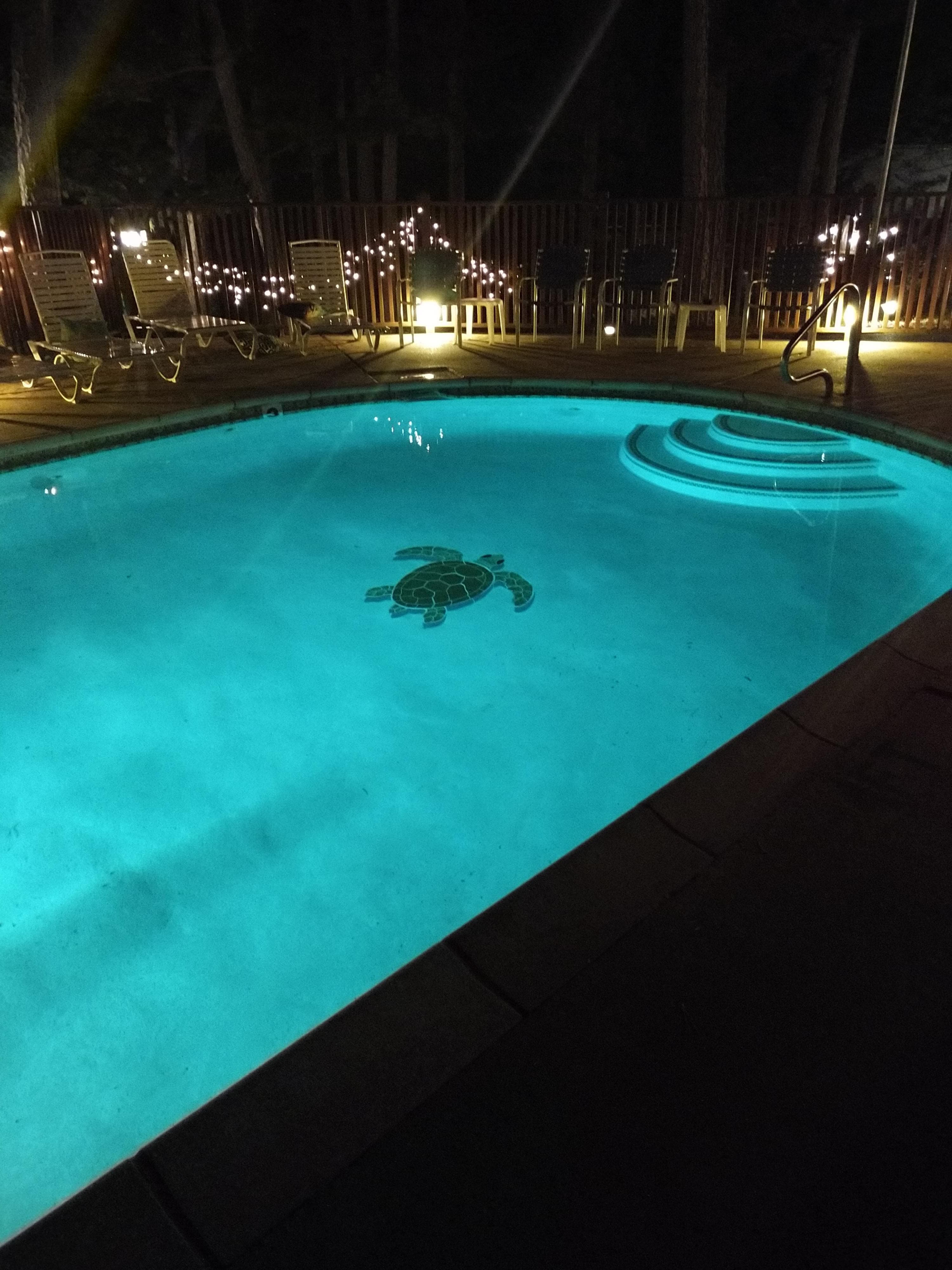
A traditional chlorine pool is just fine if...
The pool is clear, appears well maintained, and doesn't have a strong chemical smell.
You observe the owner testing the water and attending to maintenance.
You do not have highly sensitive skin, but keep in mind that any pool can irritate if the water is not rinsed off.

A saltwater pool could be a great choice if...
You are aware there is a longer maintenance time.
You or your family members have sensitive skin or eyes.
You prefer a more hands-off approach to pool care.
Making an Informed Decision for Your Backyard Oasis
The debate between chlorine and saltwater pools does not have a single winner; it depends on which choice is right for you. A traditional chlorine pool is a proven, cost-effective system up front. In contrast, a saltwater pool is an investment in comfort, may at times require supplemental chlorine, and has easier daily upkeep. By understanding the mechanics, the costs, and the feel of each system, you can move forward with confidence. We hope this breakdown helps you create the refreshing, enjoyable summer plunge you’re dreaming of.