Fresh springs of Eureka Springs, AR attract visitors far and wide to the area who are curious about stories of "healing waters".
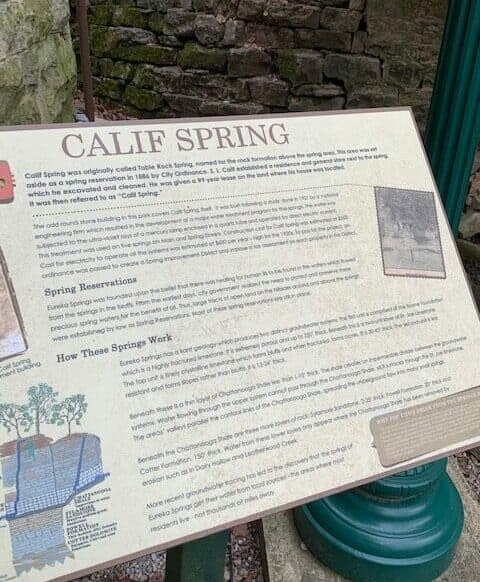
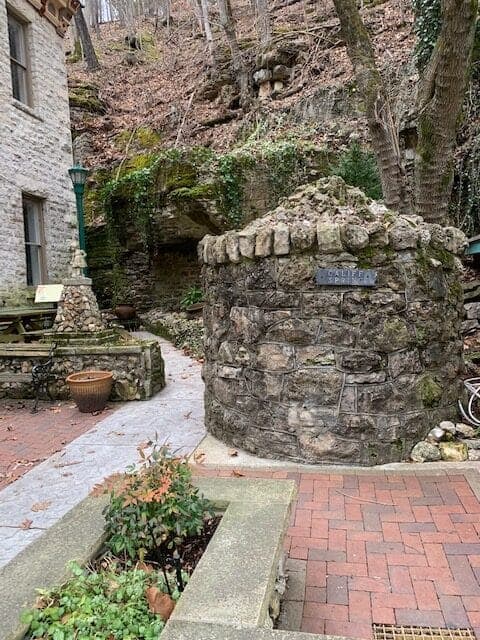
Califf Spring
Taking a hike in Eureka Springs, AR, uncovers many hidden surprises, and fresh springs are one of them! First, we see the spring reserve next to the Historic Museum building on Main Street. In early 1886, the City of Eureka Springs established the spring originally known as Table Rock Spring. Today it is a public Eureka Springs park. The original name was Table Rock Springs but then changed to Califf Springs for the residential home nearby. This is a great point to start your fresh spring hike, and if you end here there is also a great restaurant bar to finish at, The Cathouse Lounge!
Basin Spring
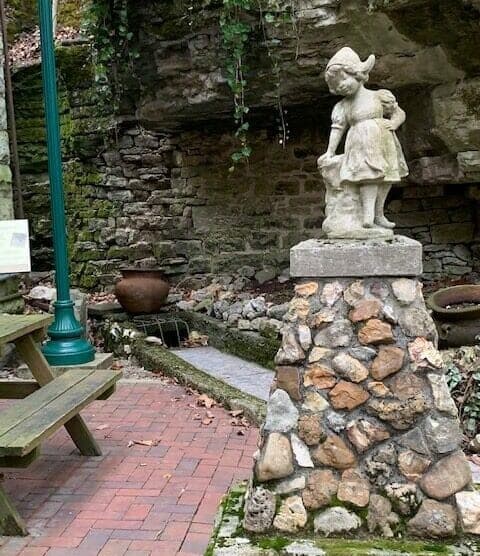
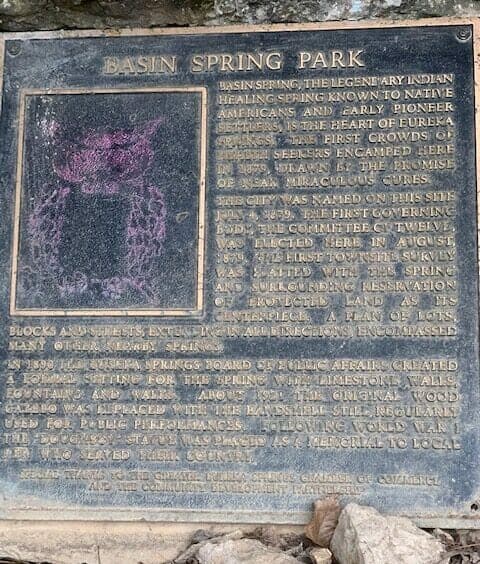
Initially known as Indians' Healing Spring, Basin Spring found in downtown Eureka Springs in the park named for it. This spring is off Spring Street and found with other downtown springs; however, Basin Spring is likely the most famous. To the Native Americans, this spring had healing properties and was what drew Europeans to the location. The Basin Spring may very well be responsible for Eureka Springs' existence and has a long history of fascinating stories behind it! Visit the Basin Spring at the Basin Spring Park located in the heart of downtown while taking in the shops, sounds, and delicacies of the historic downtown. Relax in the park and enjoy the rich traditions of Eureka Springs, including live music in the historic bandshell.
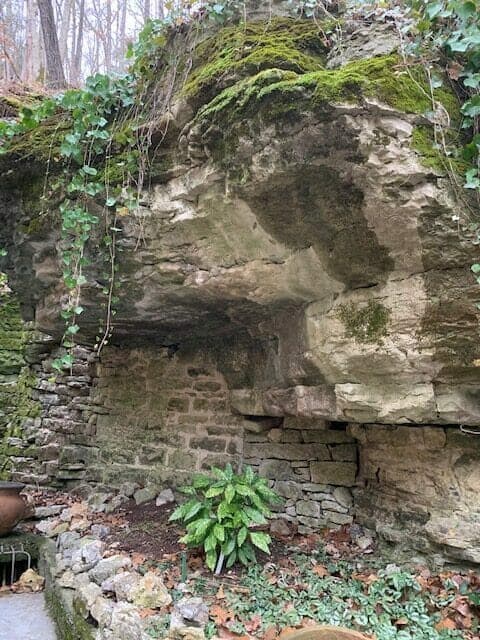
Rock House Spring: Osage Indians and eventually early European explorers made their homes under rocky cliffs that brought forth famous healing waters, and the area eventually became known as Basin Spring. A pioneer physician, Alvah Jackson, arrived at the healing springs and used the waters to treat ailments. During wartime, soldiers wounded in battle found their way to Dr. Jackson for treatment with the healing waters in the hospital that had been set up. This hospital became know as the Rock House where Dr. Jackson treated both Union and Confederate soldiers with the healing waters. The limestone structure present today dates back to the 1900s.
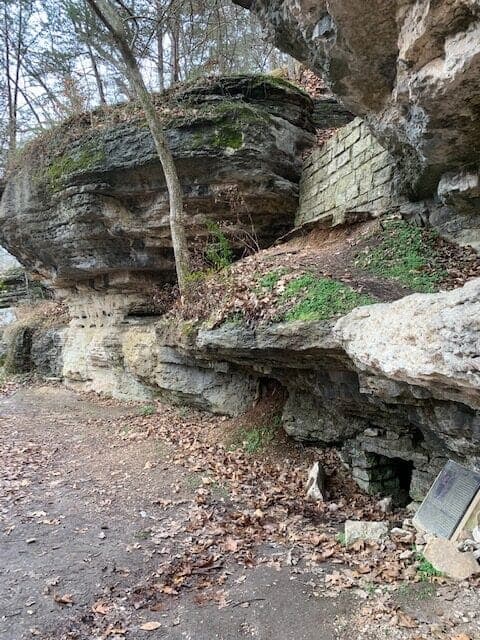
Sweet Springs
One of the most striking springs in town, Sweet Spring is located on Spring Street across from the Post Office. You'll find an interesting surrounding of stone and lots of local plants and trees around this spring. There is a quant spiral staircase that winds down to the basin of the spring. Walking down the stairs to the spring, I could see where the water had been trickling into a pool. Ok, I see why this little spring is known as Sweet Spring. No matter the season, this little spring won't disappoint and provides a great afternoon of hiking and photography.
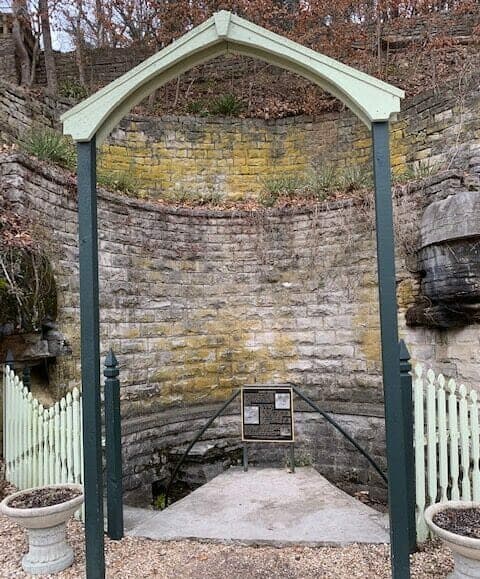
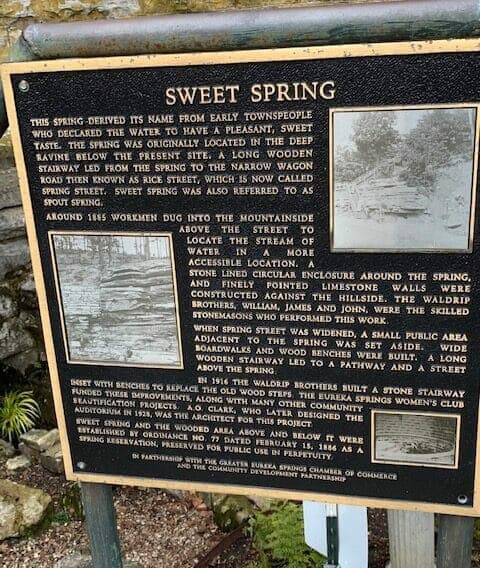
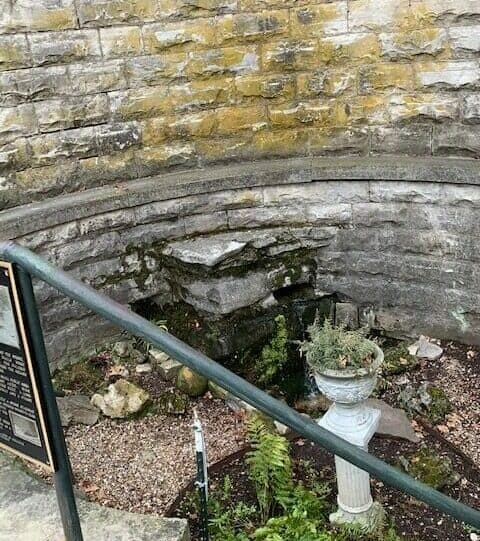
Harding Spring
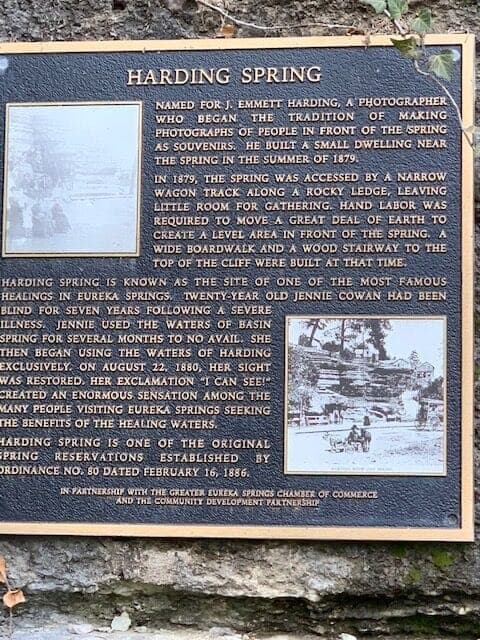
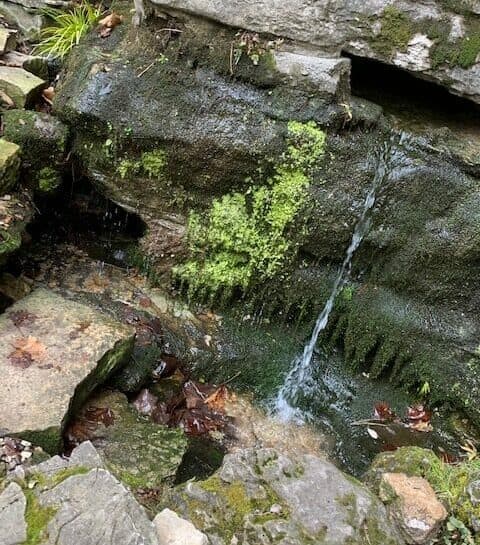
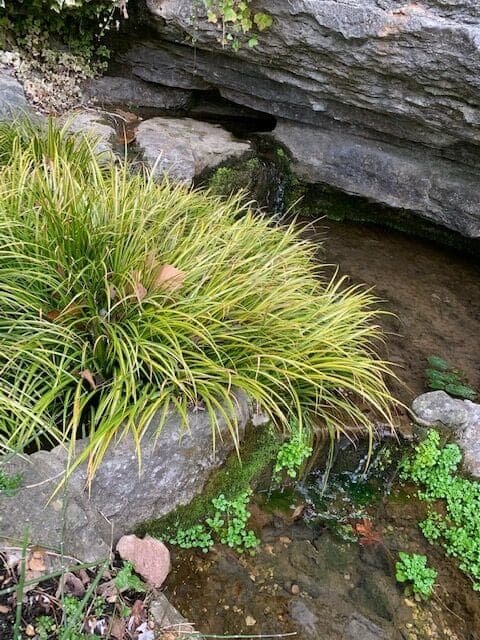
Photographer, Emmett Harding, took souvenir photos of visitors in front of the Spring. In the summer of 1879, he constructed a small home near the Spring. The Spring was originally accessed by a narrow wagon track on a rocky ledge which was leveled to make more gathering space. Harding Spring is the site of one of the most famous healings in Eureka Springs. Jennie Cowan, 21 years old and blind from a severe illness, had been taking in the waters of the Basin Spring for months with no success. On August 22, 1880 she started consuming the water from Harding Spring restoring her sight. Harding Spring is one of the original spring reservations protected by Ordinance number 80 February 16, 1886. The little park around Harding Spring is a great stopping point for a break and the plant life is impressive, and I loved my photo opportunity at this spring.
Crescent Spring
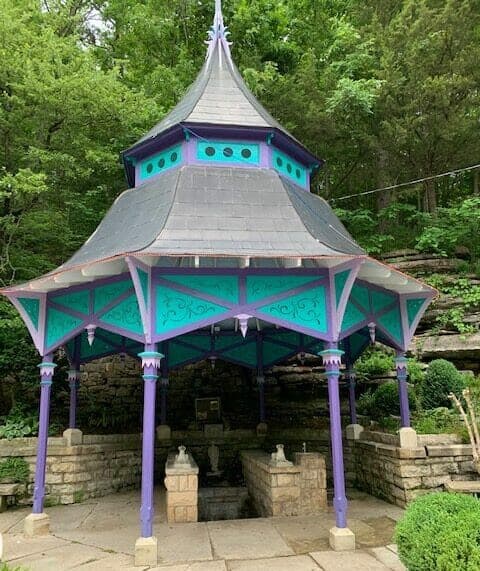
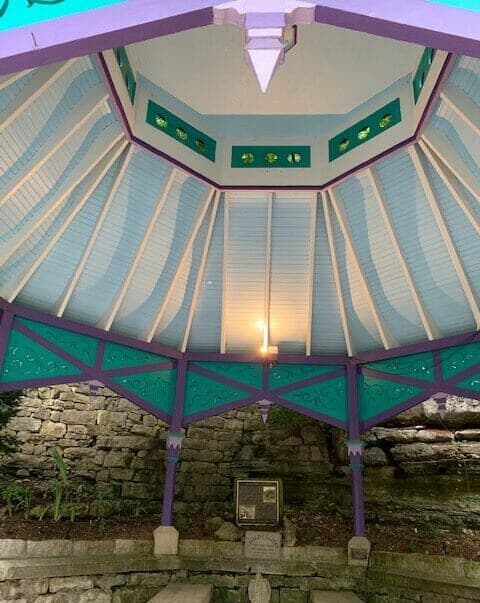
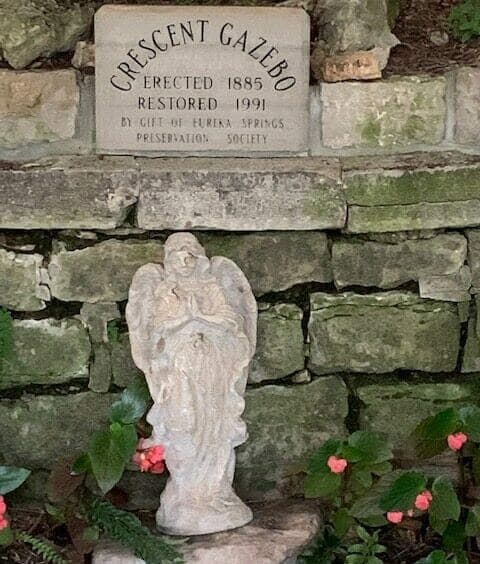
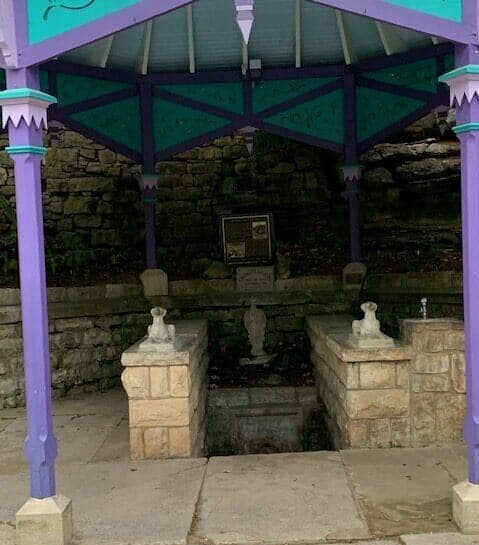
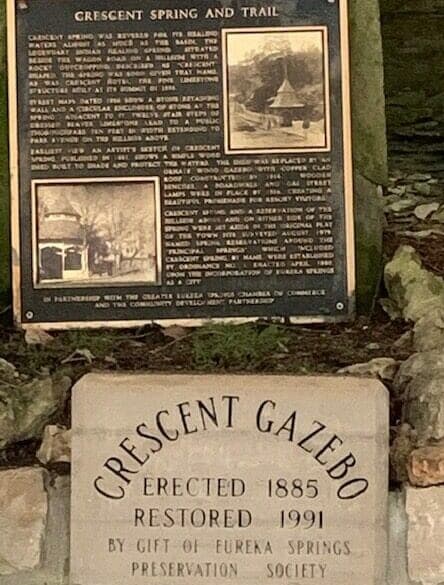
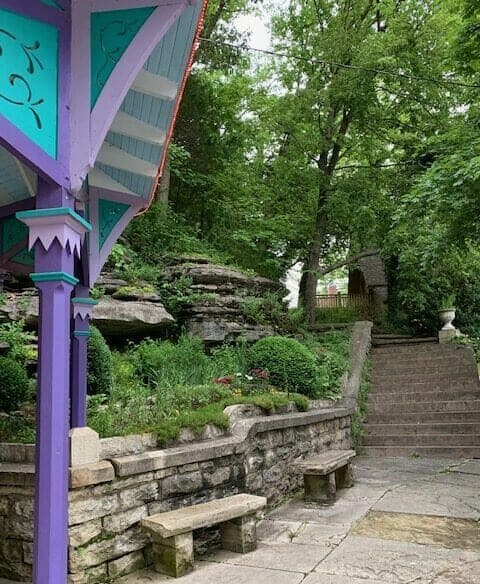
Crescent Spring Park, on Spring Street near the Carnegie Library, has a beautiful Victorian-like gazebo and characteristic rock walls. The healing waters of the Crescent Spring is almost as well known as the Basin Spring. Indian Healing Spring located on a hillside with a rock outcropping with a "Crescent" shape soon became known as Crescent Spring. The Crescent Hotel named after the Spring, an impressive limestone structure constructed at the summit in 1886. Twelve stairs of limestone lead to a public access ten feet wide extending to Park Avenue on the hillside above. A sketch artist published a drawing of the Crescent Spring in 1881 that shows a small wood shed built to shade the spring and protect the healing waters. In 1886, a wood gazebo with a copper roof replaced the old wood shed. Eventually wooden benches, boardwalk, and gas street lamps created a beautiful thoroughfare.
Grotto Spring
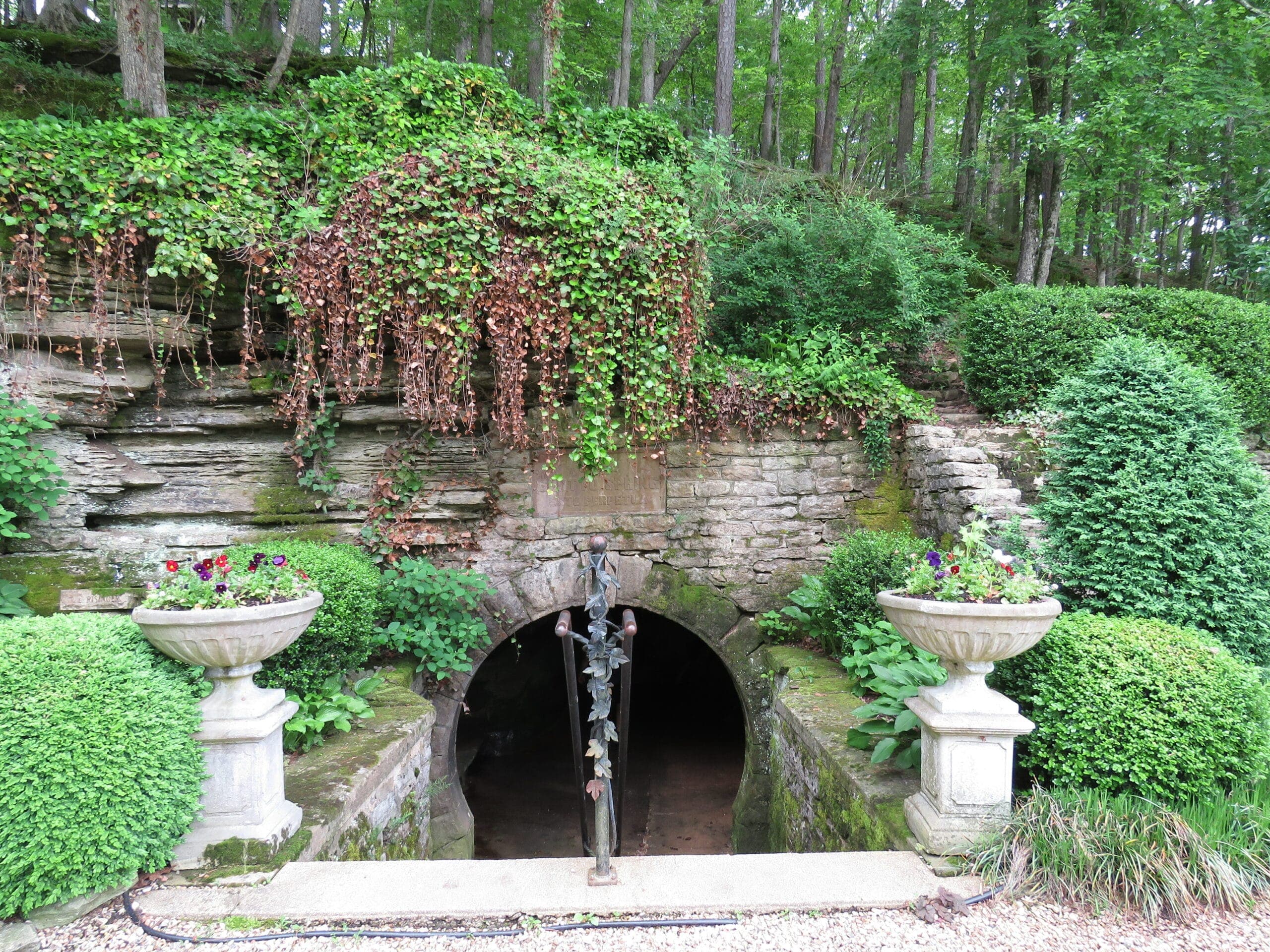
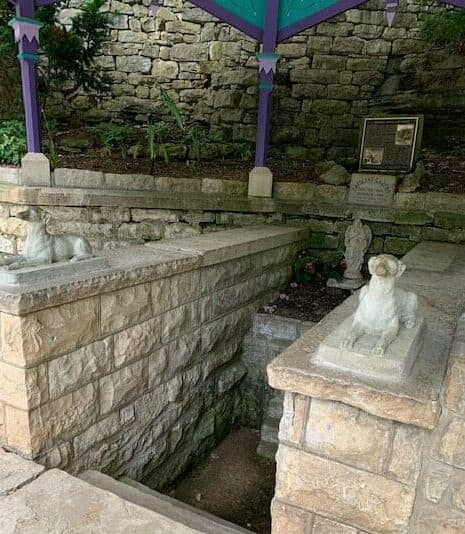
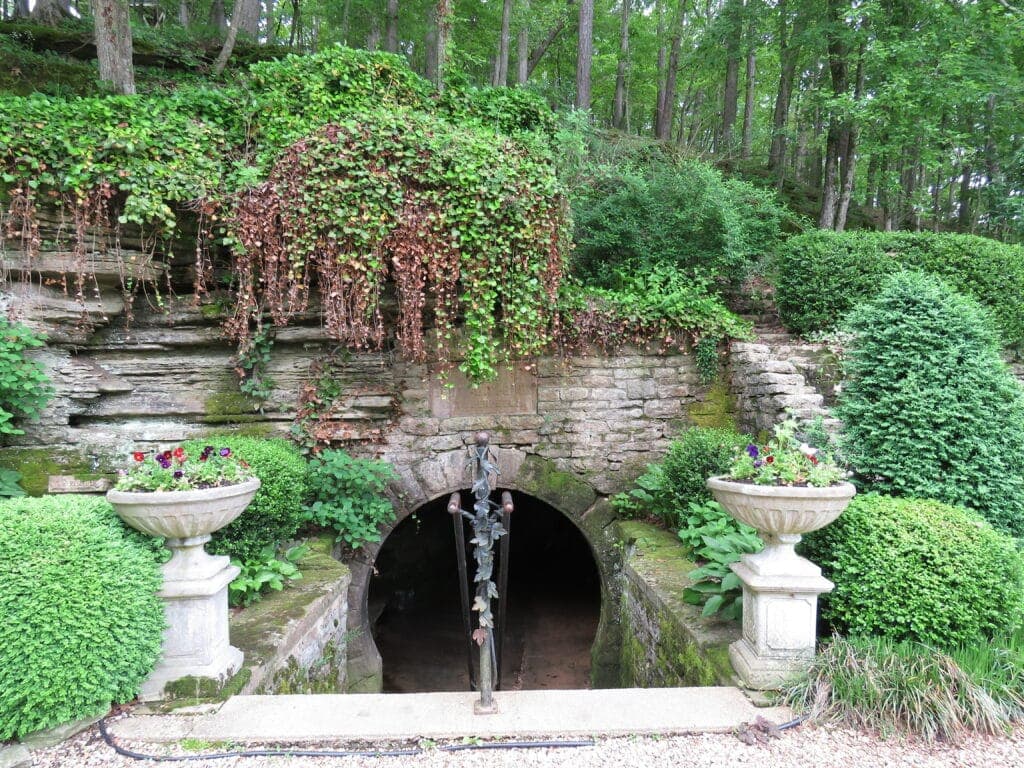
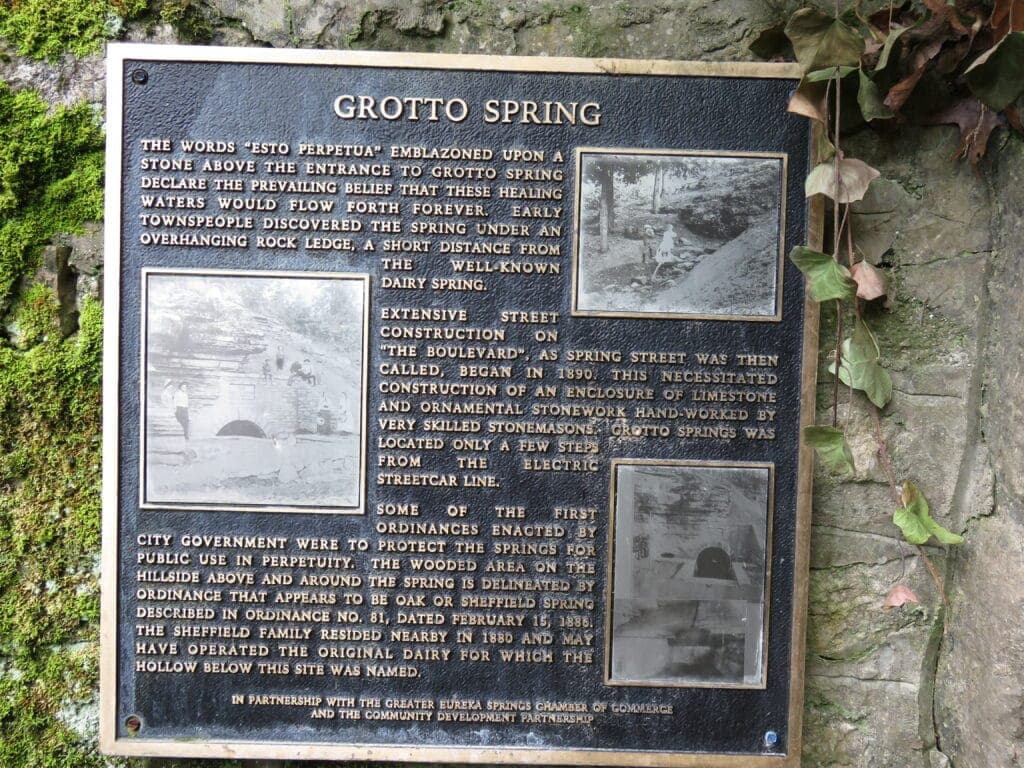
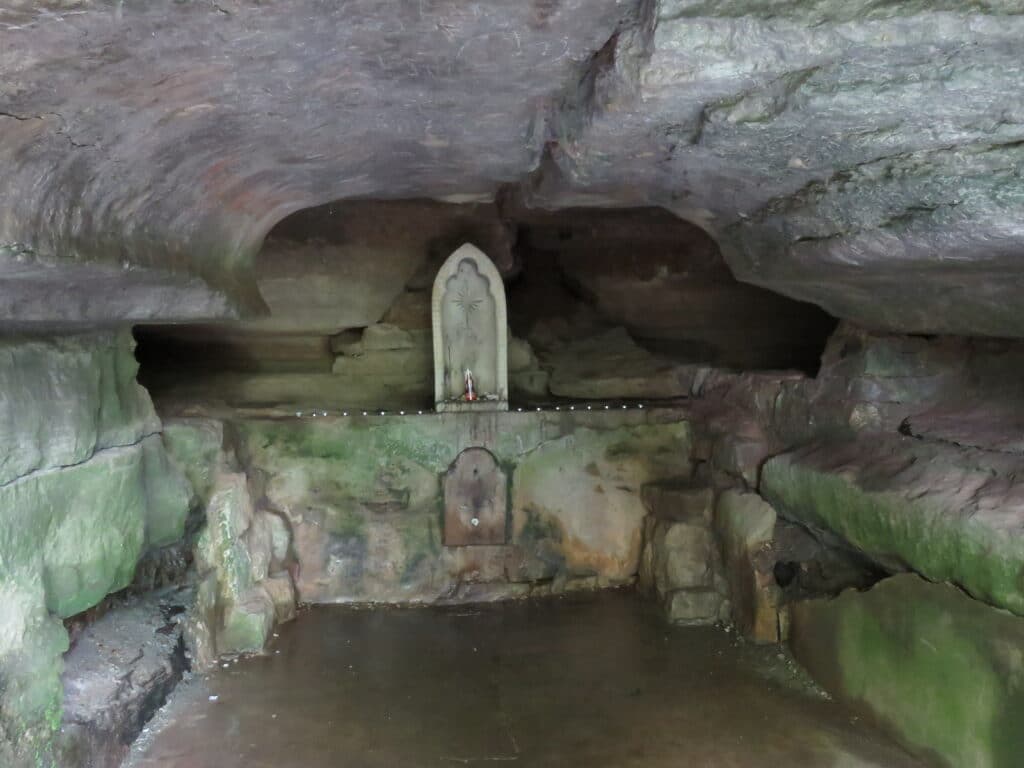
The words "Esto Perpetua" engraved on a stone above the entrance to the Grotto Spring declaring the healing waters would flow there forever. Early Townspeople discovered the spring under an overhanging rock ledge a short distance from the well known Dairy Spring, but in 1890 street construction began on what is now known as Spring Street. Hand-worked by skilled stonemasons, an enclosure of stone was added around the Grotto Spring. Ordinances passed by city government protected the springs for public use for generations to come. The wooded hillside surrounding the spring outlined by city ordinance appears in the Oak or Sheffield Spring described in the Ordinance 81 dated February 14, 1886, and may have been named for the Sheffield family who lived and operated the original dairy. The Grotto Spring feels cave-like with a slippery floor, but it is an amazing place to behold.
Laundry Spring
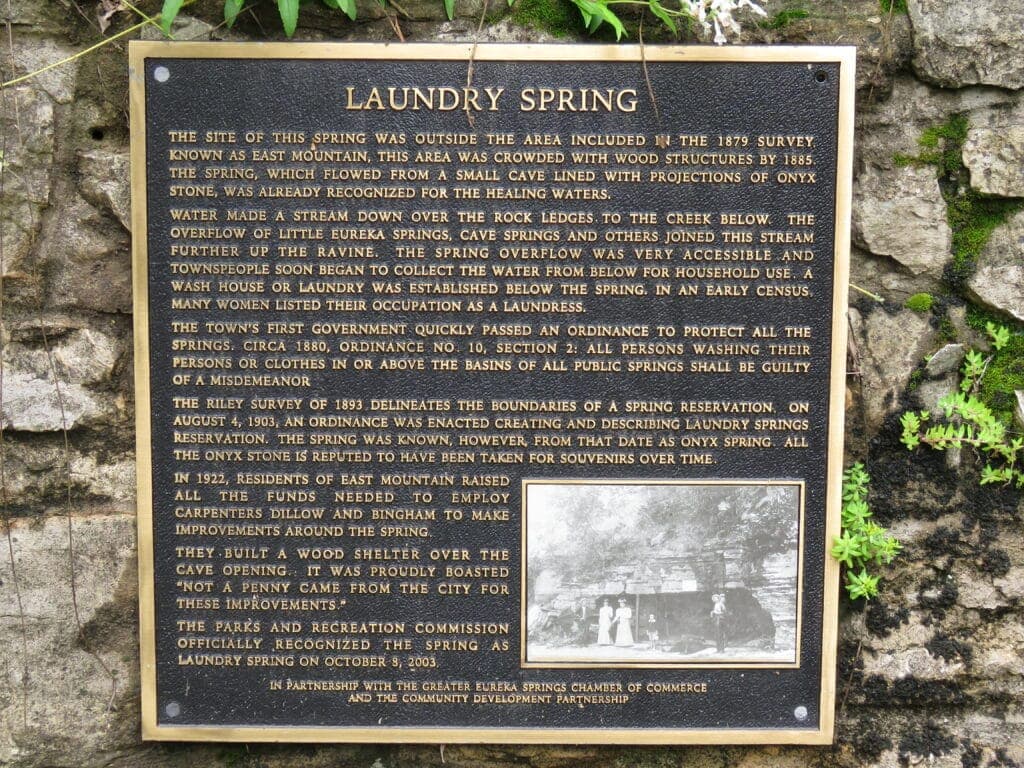
This interesting spring flowed from a cave lined with Onyx stone and has water recognized for healing properties. The water flowed down ledges into a creek below and was joined with water from other springs such as Cave Springs and Little Eureka Springs that poured into the ravine. Once these waters reached the townspeople it was used for washing purposes, including a laundry house. The town's government acted by passing an ordinance to protect the springs via Circa 1880, ordinance No. 10, Section 2 that stated those found bathing or washing clothes in or above of all public springs shall be found guilty of a misdemeanor. On August 4, 1903, a city ordinance created the Laundry Spring Reservation for the spring known as the Onyx Spring. In October 9, 2003 Parks and Recreation Commission officially named the spring the Laundry Spring. While not on a hiking trail, check this out.
Magnetic Spring
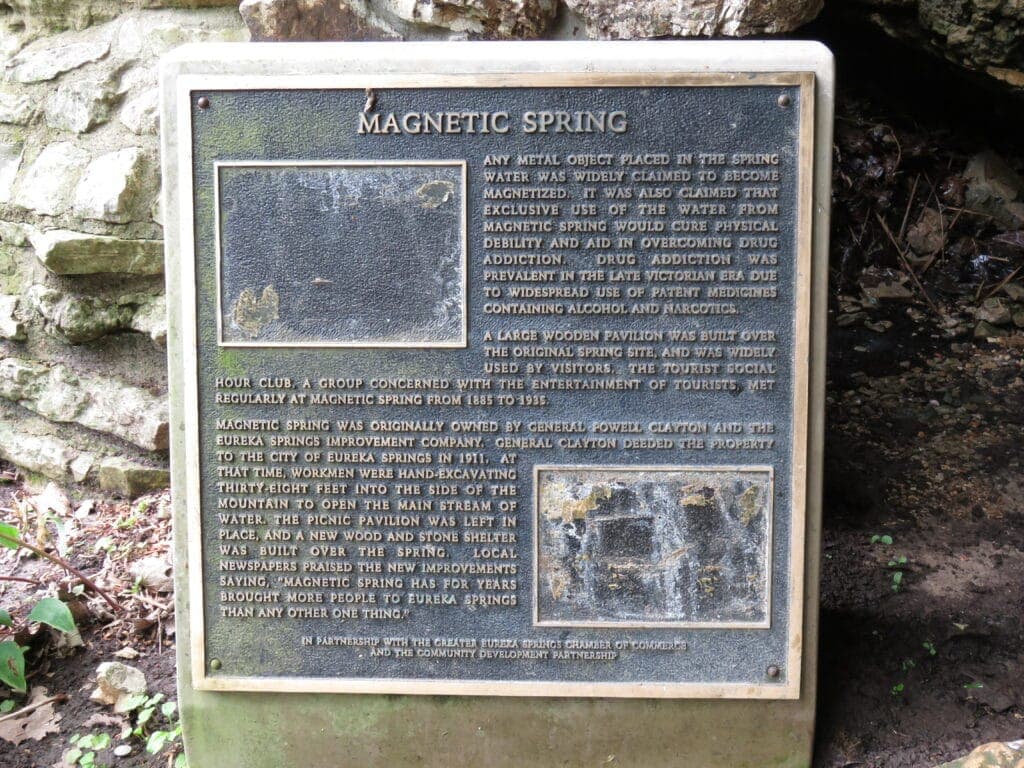
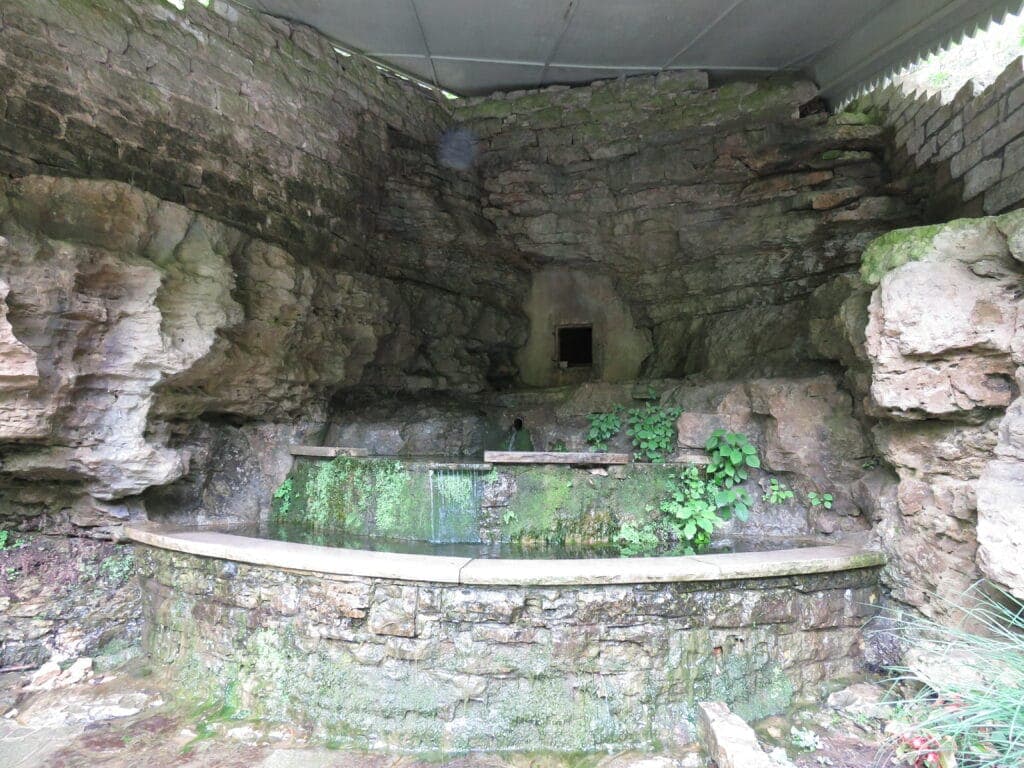
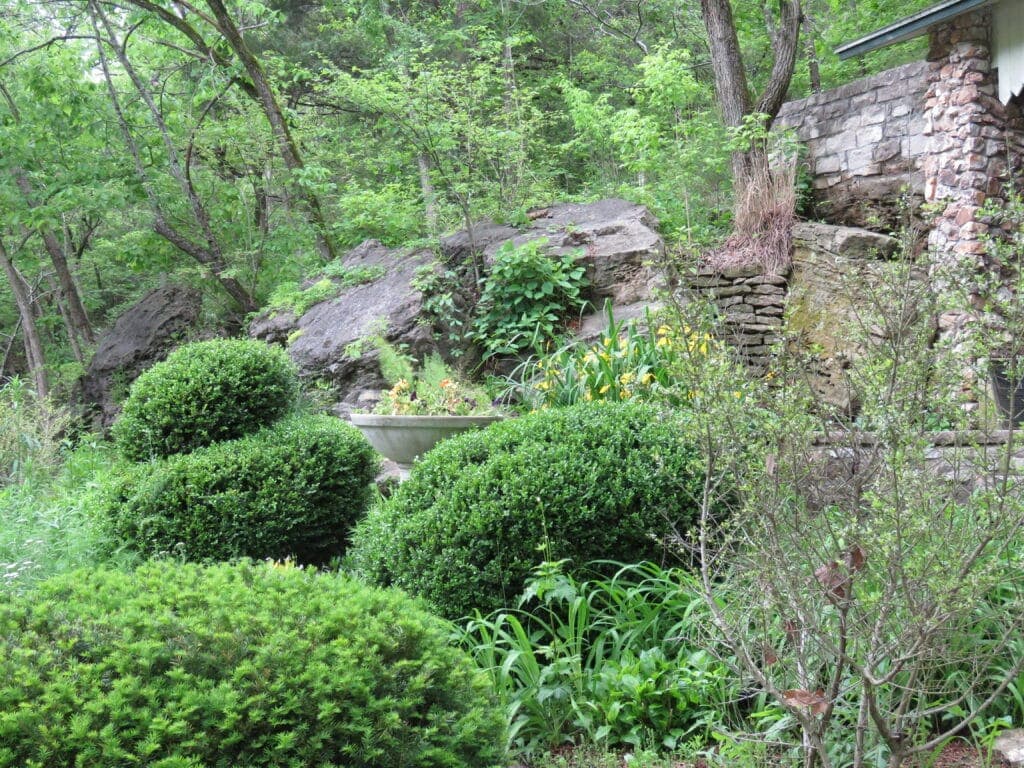
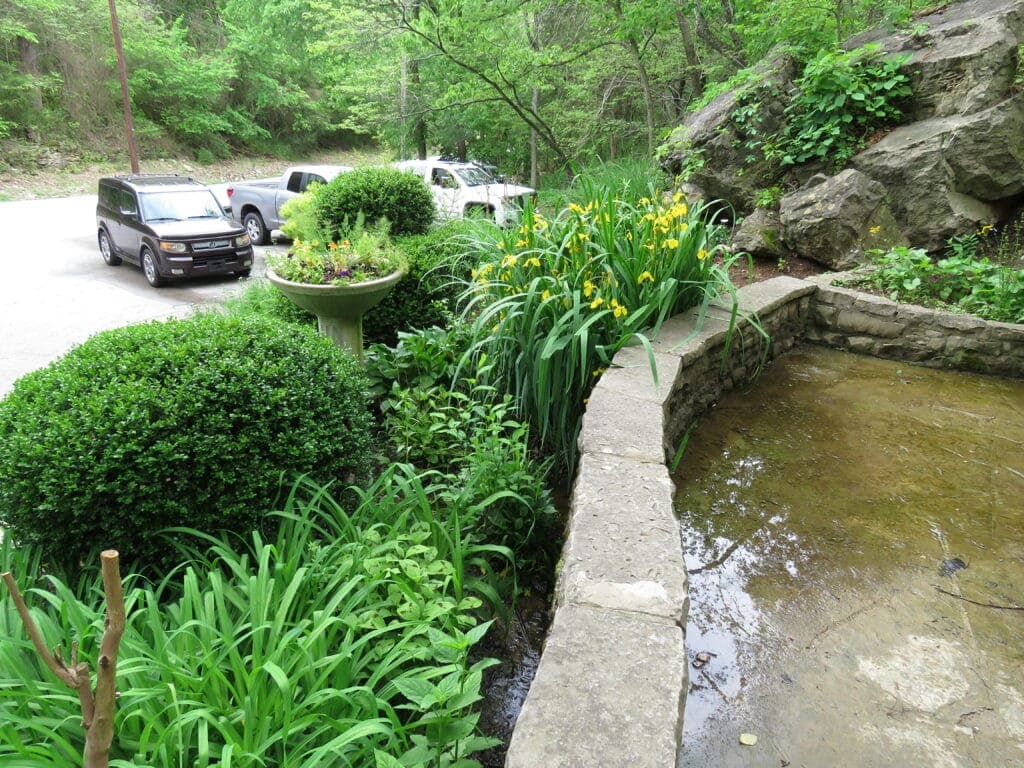
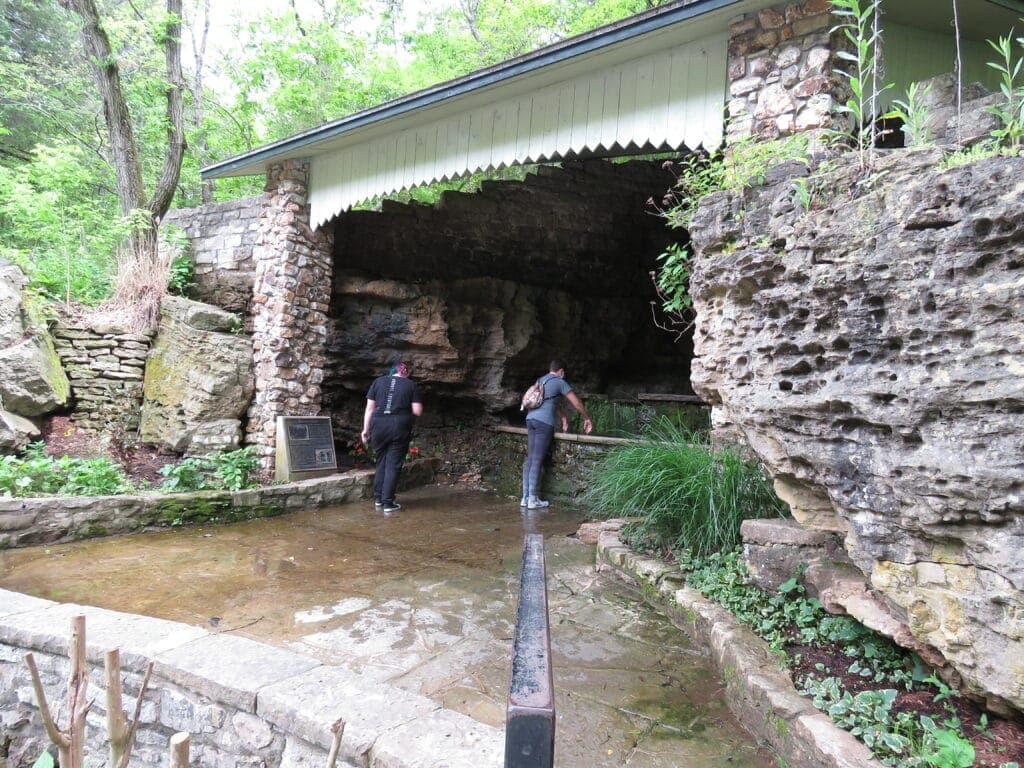
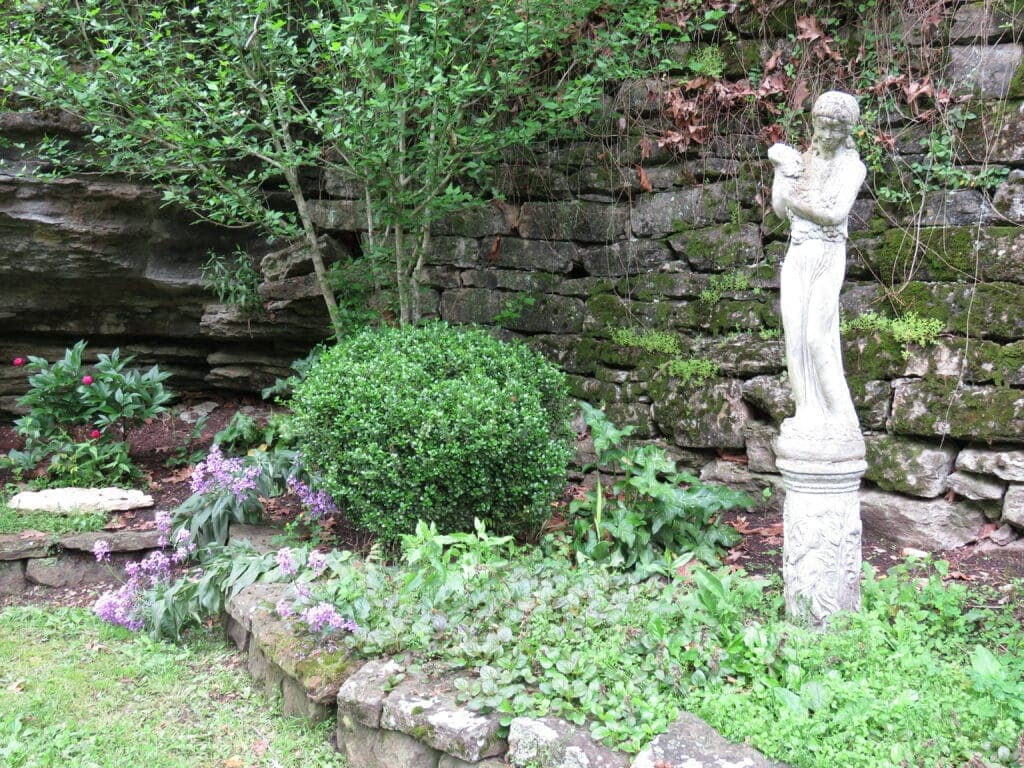
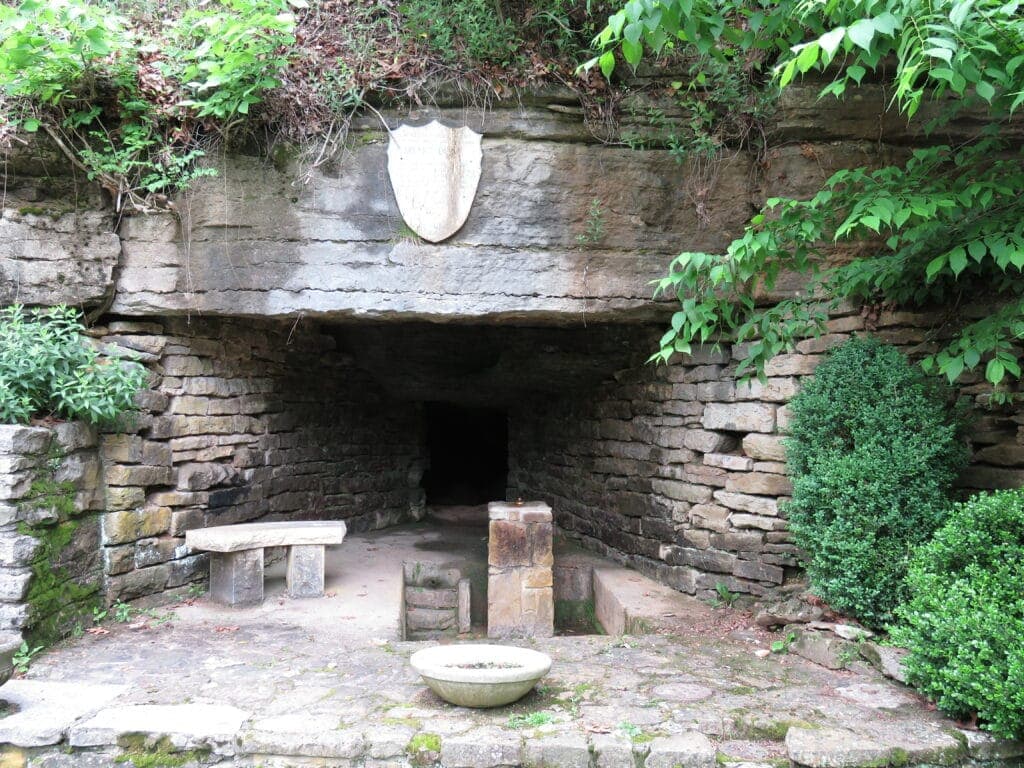
Venture along Magnetic road on the way to the Passion Play and you will drive by Magnetic Spring where you will find a pavilion dedicated to this beautiful spring that is worth pulling over for. This is one of the most impressive springs preserved in the area. Grab your camera and spend a little time at this scenic pavilion just enjoying the naturistic environment where I love to photograph the natural scenery and the flowers bright blossoms, but watch your step while walking around the slippery stone pools. The standing mineral water creates a slick pathway around the springs causing a bit of the slippery slope.